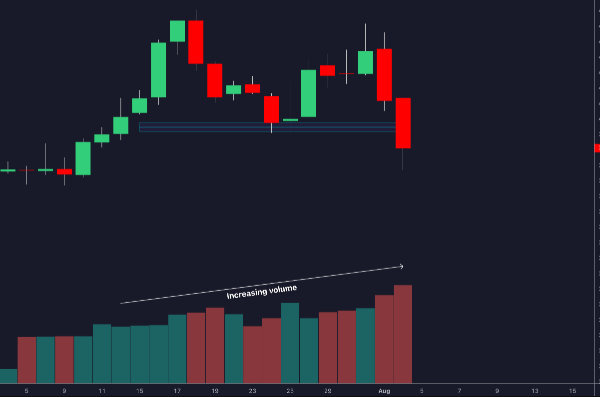
Crypto trading and long-term investing represent two distinct approaches to crypto exposure. Trading seeks short-term moves, liquidity shifts, and disciplined risk controls, while investing emphasizes fundamental value and patient compounding. Practical costs—fees, taxes, and volatility pricing—shape decisions and outcomes. Distinguish speculative trades from true ownership, avoid overtrading, and align pace with evolving conviction and risk tolerance. The balance between immediacy and patience invites closer examination of goals, frameworks, and real-world constraints.
What Crypto Trading Is Really About vs Long-Term Investing
Crypto trading and long-term investing represent two distinct approaches to participating in crypto markets.
The piece clarifies that trading seeks shorter horizons, frequent adjustments, and sensitivity to liquidity shifts, while long-term investors emphasize fundamental value and patient accumulation.
Consider crypto liquidity and tax considerations as practical realities, guiding decisions without conflating speculative moves with enduring ownership.
Risk awareness remains essential for freedom-informed participation.
How Risk, Time Horizon, and Costs Differ in Practice
How risk, time horizon, and costs diverge in practice becomes evident when contrasting trading with long-term investing: trading concentrates on short-term price moves and liquidity shifts, often requiring frequent adjustments and heightened sensitivity to market volatility; long-term investing prioritizes fundamental value and sustained capital allocation over years, tolerating intermittent drawdowns in exchange for potential compounding. Volatility pricing and liquidity risk shape each path’s cost structure.
Practical Frameworks for Each Path: When to Trade vs When to Hold
One practical framework starts with a clear delineation of the goal horizon: trading is anchored to shorter-term catalysts and liquidity dynamics, while holding emphasizes durable value and compounding over years.
The framework emphasizes disciplined microsecond timing awareness, risk controls, and explicit portfolio sizing to balance exposure.
It favors iterative review, avoiding overtrading, and aligning positions with evolving conviction and liquidity conditions.
Real-World Examples, Myths, and How to Decide Your Pace
Real-world practice shows that the pace of activity differs markedly between trading and investing.
Real world myths often mislead new entrants, conflating volatility with risk and urgency with opportunity.
Pace decisionmaking should reflect goals, time horizon, and risk tolerance, not hype.
Long term investing prioritizes steadiness, diversification, and patience, while traders seek disciplined timing and measured, repeatable processes.
See also: The Future of Digital Security
Frequently Asked Questions
How Do Taxes Differ for Traders vs. Long-Term Holders?
Tax treatment differs: traders face short-term capital gains taxed at higher rates; long-term holders benefit from reduced rates. Wash sale rules apply; cost basis tracking is essential for accurate gains, losses, and compliant reporting.
Can You Combine Trading With Quarterly Rebalancing Strategies?
Trading with quarterly rebalancing is possible, but requires disciplined execution and risk controls. Juxtaposed against patience, it highlights trading psychology vs risk management, as he weighs frequency, costs, tax implications, and freedom-oriented goals driving systematic adjustments.
What Emotional Biases Most Impact Crypto Traders?
Emotional bias and cognitive traps most affect crypto traders, leading to performance slumps. They exhibit confirmation bias, clinging to favorable signals while ignoring risks, which exacerbates volatility. With clear-eyed caution, traders pursue disciplined strategy and freedom from impulse.
Which Indicators Reliably Signal Long-Term Crypto Cycles?
Short-term tremors aside, indicators rarely provide perfect timing; crypto cycles unfold with noise. They rely on trend, volume, and on-chain metrics as guideposts, but indicator signals remain probabilistic, not guarantees, demanding disciplined risk management and independent judgment.
How Do Liquidity and Market Microstructure Affect Tactics?
Liquidity and market microstructure shape tactics through liquidity depth and order flow dynamics, influencing entry, exit, and risk management decisions; traders must adapt to evolving depth, slips, spreads, and informational efficiency with disciplined, freedom-minded caution.
Conclusion
Crypto trading and long-term investing serve different aims, horizons, and risk flavors. Trading seeks exploitable price moves, liquidity shifts, and frequent adjustments, often with tighter risk controls. Long-term investing bets on fundamental value and compounding patience. Costs, taxes, and volatility pricing shape each path. Practical frameworks help—trade when conviction, liquidity, and risk cap fit short horizons; hold when fundamentals and time enable growth. Real-world myths tempt, but disciplined pacing matters more than flashy returns.
Conclusion: A careful climber ascends slowly, while a bold hiker spurs ahead—both reach peaks, but one steps with steadier, longer breaths.