A television is often one of the main features of a modern home. Whether it is placed in a family room, bedroom, basement, or dedicated entertainment area, its position can influence the comfort and appearance of the entire space. A properly mounted television creates a clean arrangement, saves valuable furniture space, and provides a better viewing experience. However, achieving an attractive result requires more than attaching a bracket to a wall. The process involves understanding the room layout, choosing suitable mounting equipment, measuring accurately, and paying attention to the smallest finishing details. Homeowners interested in TV Mounting Kelowna often want a setup that looks natural and works reliably for everyday use. Auxe focuses on practical installation solutions that help create organized entertainment spaces while maintaining the appearance and functionality of each room.
Designing an Entertainment Space That Feels Complete
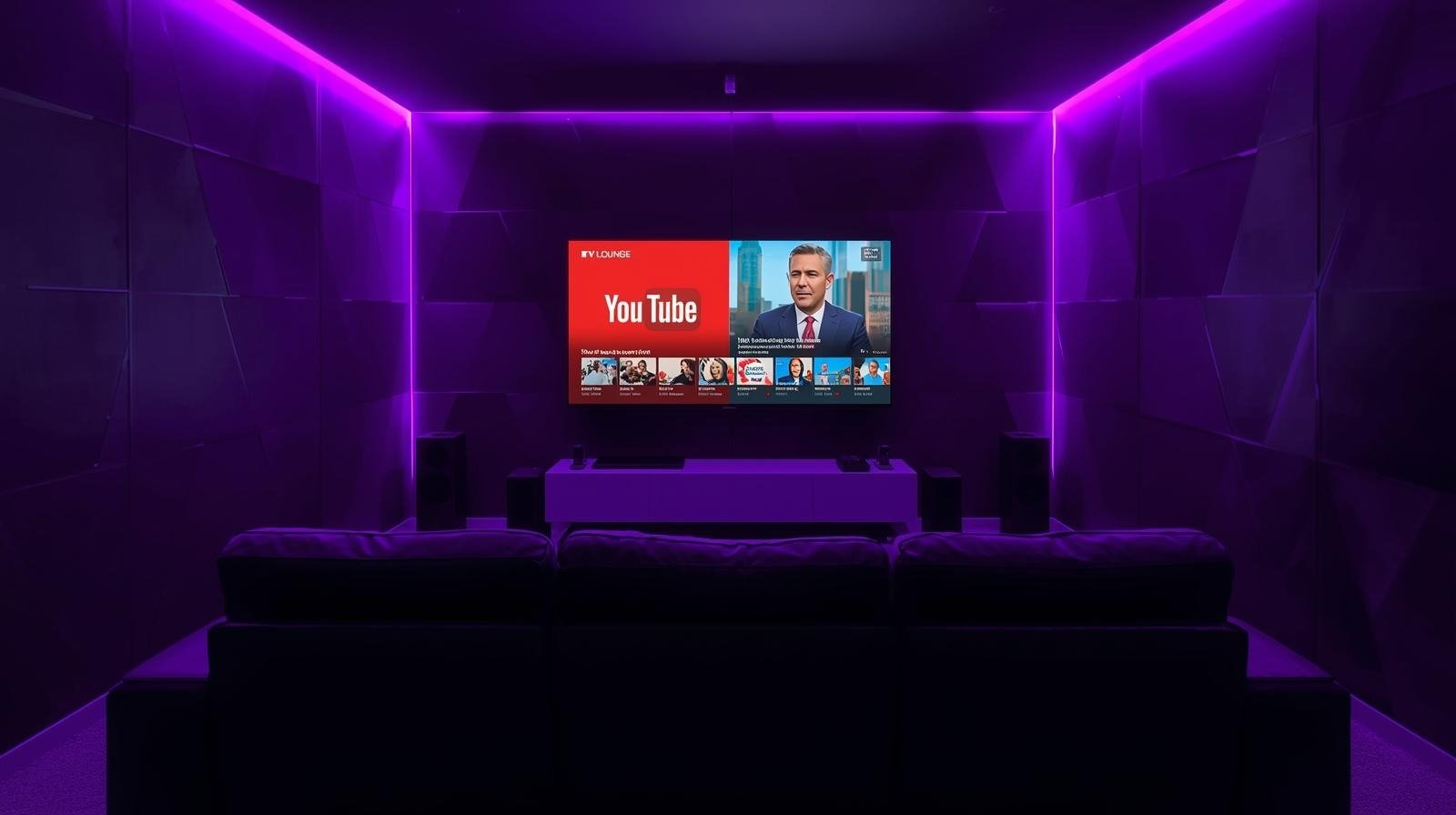
A good entertainment area should feel like a natural part of the home rather than a collection of electronic devices. The television, furniture, lighting, and accessories should work together to create a comfortable environment. Before beginning a mounting project, homeowners should consider how the room is used and where people usually sit.
In an open living area, the television may serve as the central point for family activities. Its position should allow everyone to enjoy a clear view without having to rearrange furniture constantly. In a smaller room, mounting the screen can help create additional floor space and make the area feel less crowded.
The overall design also matters. Some homeowners prefer a simple arrangement with the television mounted directly on a plain wall, while others want a feature wall with decorative panels or shelving. Both approaches can look attractive when the screen is properly aligned with the surrounding elements.
Planning these details in advance helps create a balanced appearance and prevents unnecessary changes after installation.
Finding the Most Suitable Wall Location
Selecting the right wall is one of the most important decisions in a television mounting project. A wall may appear suitable at first, but nearby windows, doors, furniture, and electrical outlets can affect the final arrangement.
Natural light deserves particular attention. Direct sunlight can create reflections on the screen, making it difficult to watch television during certain hours. Choosing a position away from strong glare can improve picture visibility without requiring constant adjustments to curtains or blinds.
The available wall space should also be examined. Large televisions need enough room to fit comfortably without appearing crowded between shelves or other decorative features. Smaller screens should have appropriate surrounding space so they do not look disconnected from the room’s design.
Homeowners should also consider future furniture changes. A mounting location that works with the current sofa or bed should remain practical if the room layout changes later. Thinking beyond immediate needs can make the installation more useful over time.
Understanding the Importance of Wall Construction
Different wall materials require different mounting techniques. A television bracket must be attached to a surface that can safely support the screen’s weight. Therefore, identifying the wall structure is an essential part of preparing for installation.
Many residential properties have drywall supported by wooden or metal studs. These structural supports provide the necessary strength for suitable mounting hardware. Finding the correct attachment points helps prevent excessive pressure on unsupported sections of the wall.
Brick and concrete surfaces require different tools and anchors. Their solid construction can provide dependable support when the correct installation method is used. However, drilling into masonry requires appropriate equipment and careful positioning.
Some properties also contain older plaster walls, decorative panels, or previously repaired sections. These surfaces may need additional inspection before mounting work begins. An installer should identify potential weaknesses and choose a method that suits the actual wall conditions.
Understanding the construction beforehand helps avoid unnecessary holes, damaged surfaces, and unstable mounting arrangements.
Choosing a Bracket for Everyday Convenience
A mounting bracket determines how the television sits against the wall and whether its viewing angle can be adjusted. Selecting the right style depends on personal preferences, room dimensions, and the position of the seating area.
A fixed bracket is suitable for homeowners who want a simple, close-to-wall appearance. It keeps the screen in one position and works well when viewers normally watch from the same area. Its straightforward design also makes it a popular choice for minimalist entertainment spaces.
Tilting brackets offer additional flexibility. They allow the television to move vertically, which can help when the screen needs to be mounted above its ideal viewing height. This feature may also help reduce reflections from certain lighting positions.
Full-motion brackets provide more movement through adjustable arms. The television can be pulled away from the wall, turned toward different seating areas, and adjusted to improve visibility. These mounts are useful in rooms with open layouts or multiple viewing positions.
Before purchasing a bracket, homeowners should check its weight capacity, screen-size range, and compatibility with the television’s VESA mounting pattern. A suitable bracket supports the equipment while providing the movement required for the room.
Maintaining Comfortable Viewing Positions
Television height has a direct effect on everyday viewing comfort. A screen positioned too high can cause viewers to tilt their heads upward for extended periods. If it is too low, furniture or decorative objects may obstruct the display.
The ideal position depends on the television’s size and the height of the primary seating area. In many living rooms, the centre of the screen is placed near seated eye level. However, bedrooms and other spaces may require a different arrangement.
It is helpful to consider the distance between the television and the seating area. A large screen placed very close to a sofa may feel overwhelming, while a small television positioned far away may not provide the desired viewing experience.
The room should also be assessed from different seating positions. Families often watch television together, so the screen should provide a reasonable viewing angle for everyone. Careful positioning can reduce the need for frequent furniture adjustments and improve the overall experience.
Creating a Neater Appearance Through Cable Management
Loose cables can take away from the appearance of a professionally mounted television. Power cords, HDMI cables, internet connections, and accessory wires can become tangled when they are not organized properly.
Cable management should be included in the installation plan rather than treated as an afterthought. Cable covers are a practical option for keeping wires together along the wall. They can be selected and positioned to blend with the surrounding surface, creating a more organized appearance.
In-wall cable routing may provide a less visible arrangement where permitted. However, electrical wiring must be installed using approved methods and suitable materials. Ordinary television cables and power cords should not be placed inside walls in ways that violate applicable electrical safety requirements.
The location of power outlets also affects cable placement. If the available outlet is far from the screen, additional planning may be required to avoid an untidy setup.
A clean cable arrangement makes the entertainment area look more complete and simplifies future maintenance.
Making Room for Soundbars and Additional Equipment
Many homeowners want more than a television when designing their entertainment areas. Soundbars, gaming consoles, streaming devices, and home theatre systems can improve the overall experience, but they also require careful placement.
A soundbar should be positioned where it can deliver clear audio without covering important parts of the television. Depending on its design, it may be installed beneath the screen or placed on a suitable shelf. Compatible mounting accessories can help create a coordinated appearance.
Gaming consoles need accessible connections and sufficient ventilation. Placing them in a crowded cabinet may restrict airflow and contribute to overheating. Their position should also allow users to reach controllers, USB ports, and other connections conveniently.
Streaming devices and cable receivers should be arranged so that cables remain manageable. Wireless equipment may still need access to power, while certain devices require a clear signal path for remote controls.
Planning the entire entertainment system before mounting the television creates a more organized result. It also reduces the chance of discovering that an important connection is inaccessible after the screen has been secured.
Preparing for a Professional TV Installation
A successful TV Installation Kelowna project begins with understanding the homeowner’s expectations. Every property has different requirements, and a mounting arrangement that works perfectly in one room may not suit another.
The first consideration is the television itself. Its dimensions, weight, mounting pattern, and connection requirements should be reviewed before selecting equipment. These details help determine which brackets and accessories are appropriate.
The wall should then be assessed to identify its construction and any possible obstacles. Electrical wiring, plumbing, and other hidden components may affect where drilling can safely take place.
After identifying a suitable location, the mounting position can be measured and marked. Using a level helps ensure that the television sits straight, while accurate measurements prevent unnecessary adjustments.
The bracket should be attached using compatible hardware and according to its manufacturer’s instructions. Once the screen is secured, its position and stability should be checked before connecting the remaining equipment.
A methodical process helps produce a reliable installation and reduces the risk of avoidable mistakes.
Improving Different Areas of the Home
Television mounting is not limited to living rooms. Different areas of a property can benefit from a well-planned screen arrangement.
In bedrooms, the television is often positioned to provide a comfortable view from the bed. An adjustable bracket may be useful when the screen needs to face different directions or sit above existing furniture.
Basements frequently have unique layouts. Some contain exposed concrete walls, limited natural light, or entertainment furniture arranged around recreational activities. The mounting method should suit the wall surface and the room’s intended use.
Home offices may use televisions for presentations, video meetings, or displaying information. In these spaces, visibility from the desk and access to connection points are important considerations.
Dining areas and secondary family rooms may also benefit from smaller television setups. However, the screen should not interfere with normal activities or dominate the appearance of the room.
Each location deserves an arrangement based on its purpose rather than following a standard mounting height or layout.
Protecting Walls and Surrounding Furniture
A television installation should improve the room without creating unnecessary damage. Careful preparation helps protect nearby furniture, flooring, and decorative surfaces during the work.
Before drilling begins, the surrounding area should be cleared where possible. Furniture can be moved away from the wall, while delicate objects and electronics should be protected from dust.
The installer should also identify suitable drilling locations before making permanent holes. This reduces the possibility of repeated adjustments and helps preserve the wall’s appearance.
When working around painted surfaces or decorative wall panels, extra care is necessary. Scratches, unnecessary marks, and poorly positioned brackets can affect the finished appearance.
After the television has been mounted, the area should be checked for loose materials, dust, and visible installation marks. Removing leftover packaging and organizing the equipment helps leave the space ready for use.
These practical steps contribute to a cleaner experience and a more attractive final result.
See also: Running a Countertop Fabrication Shop: An Owner’s Operational Reference
Paying Attention to the Final Finishing Touches
The difference between a basic mounting job and a carefully completed project often comes down to the final details. Screen alignment, cable positioning, bracket stability, and the surrounding layout all influence how the installation looks and performs.
The television should be viewed from the main seating area to check its alignment and viewing angle. If the bracket allows adjustment, small changes can help achieve a more comfortable position.
Cables should be arranged without unnecessary loops or visible tangles. Connected devices should have sufficient space, and ventilation openings should remain unobstructed.
It is also useful to check the television’s basic functions after installation. Confirming that connected devices work, the remote control responds, and the display operates correctly helps identify any immediate connection problems.
Auxe understands that homeowners appreciate results that look complete rather than rushed. Paying attention to these finishing details helps create an entertainment space that feels organized, comfortable, and ready for everyday use.
Why Experience Matters When Mounting a Television
Television mounting involves several practical decisions that can be difficult to manage without the right knowledge and equipment. Choosing an incompatible bracket, attaching it to an unsuitable wall section, or overlooking cable requirements can create problems that may be expensive to correct.
Professional assistance can make the process more straightforward. An experienced installer can assess the wall, recommend an appropriate mounting option, and determine a practical position based on the room’s layout.
It is also helpful for homeowners who have large televisions or complicated entertainment arrangements. Handling heavy screens, working with masonry surfaces, and coordinating multiple devices require preparation and suitable tools.
Auxe aims to provide television mounting solutions that consider both appearance and functionality. By focusing on proper positioning, suitable equipment, secure attachment, and organized finishing, the goal is to help homeowners enjoy an entertainment setup that fits their space.
Conclusion
A well-mounted television can make a noticeable difference in how a room looks and functions. From selecting the right wall and bracket to arranging connected devices, every decision contributes to the final outcome. Accurate measurements, secure attachment, comfortable viewing angles, and organized cables help create an entertainment area that remains practical for everyday use. Homeowners considering TV Mounting Kelowna should look beyond the basic installation and pay attention to the details that make a setup feel complete. With careful planning and professional support from Auxe, TV Installation Kelowna can transform an ordinary wall into a clean, functional entertainment space with smooth finishing touches. The result is a television arrangement that complements the home, makes better use of available space, and provides a more enjoyable viewing experience.